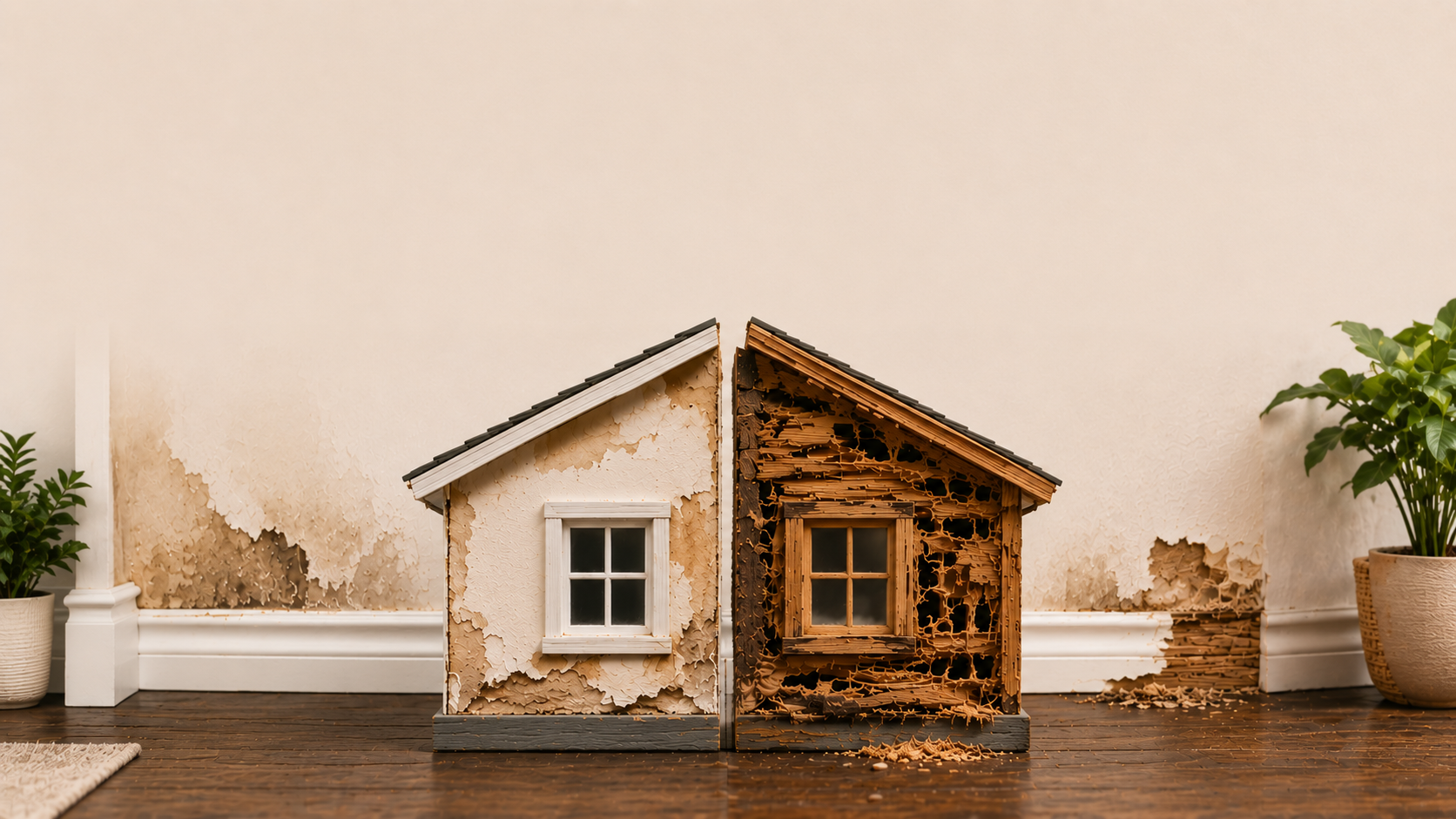
Bugs In Brand New Homes
Why Professional Pest Control Beats DIY Methods
There’s something exciting about a newly built home. Fresh paint, untouched flooring, and that clean scent of new materials can make a house feel pristine. Yet beneath the surface, construction environments set the stage for pests to move in right from the start. While homeowners often assume pest concerns only arise after years of occupancy, the truth is that freshly built properties can be just as vulnerable—sometimes even more so—than older ones.
Construction zones bring together a mix of conditions that can attract unwanted critters. Soil disruption, heavy machinery, and leftover building materials disturb natural habitats, forcing insects and rodents to search for new shelter and food sources. A brand-new home, surrounded by churned-up ground and temporary mess, provides just the kind of opportunity they’re looking for.
From the very first day a family moves in, the property is already part of the local ecosystem. Ants, spiders, termites, and rodents don’t wait until the walls age or the foundation cracks—they explore new structures immediately, capitalizing on the vulnerabilities created during construction.
The Role Of Building Materials And Debris
Every construction site is a hub of activity, with wood, insulation, wiring, and stone piled high. While these are essential for building, they also present an irresistible invitation for pests. Fresh lumber, in particular, can draw termites and carpenter ants that thrive on cellulose-rich materials. When these insects find exposed wood during framing or finishing, they don’t hesitate to settle in.
Construction debris often lingers even after crews leave. Piles of sawdust, discarded packaging, and small scraps of wood create temporary food and nesting options for insects. Even rodents can burrow into loose insulation or find cover beneath leftover boards. What seems like harmless clutter to humans is prime real estate to pests seeking shelter.
Moisture also plays a huge part. Cement, plaster, and even landscaping work leave behind damp environments that certain species, like mosquitoes or cockroaches, are drawn to. If debris or building waste traps water, it can become a breeding ground long before a homeowner even moves in. What’s more, once moisture interacts with cellulose-based materials, it can accelerate decay and make the structure even more appealing to pests that thrive in soft or weakened wood.
Gaps, Cracks, And Access Points
It’s no surprise that during construction, homes are filled with gaps and openings. These spaces allow electricians, plumbers, and HVAC teams to run essential systems through the structure. While those holes eventually get sealed, they’re not always airtight or insect-proof once the project is finished. Even the tiniest gap between a pipe and drywall is enough for ants, spiders, or silverfish to squeeze through.
Doors and windows in new homes may not fit as snugly as they should at first. Construction settling, shifting foundations, and even minor alignment issues can leave entry points. Rodents only need a space the size of a coin to push inside, while insects can take advantage of cracks nearly invisible to the human eye.
Ventilation systems also deserve attention. Newly installed ducts and vents might not be perfectly sealed or screened, which means pests can use them like a highway into the living space. Once inside, they can spread quickly through hidden areas of the house, making it difficult for homeowners to realize where they’re coming from.
Even exterior features—like siding joints, attic vents, and rooflines—can provide access. Construction crews may focus on structural stability and aesthetic finishes, but pests are more concerned with survival, and they’ll exploit even the smallest imperfection. In fact, certain species, like wasps or beetles, are particularly skilled at seeking out these flaws during the warmer months, when activity around the exterior of a home is at its peak.
Early Prevention And Ongoing Protection
The most effective way to manage pest risks in new homes is to start paying attention before problems arise. New homeowners benefit greatly from early inspections and proactive monitoring, since identifying conditions that attract pests is much easier than eradicating an established infestation. A professional eye can catch things like moisture buildup, improperly sealed gaps, or leftover construction debris that might otherwise go unnoticed.
Regular maintenance of the property, especially in the first months after moving in, goes a long way. Simple practices like cleaning up debris around the foundation, checking for leaks, and sealing visible gaps can reduce the chances of pests establishing a foothold. Landscaping is another factor worth considering. Freshly disturbed soil, mulch, and newly planted greenery all provide hiding spots for insects. Keeping vegetation trimmed back and ensuring that mulch doesn’t touch the siding can reduce these risks significantly.
Professional pest management services don’t just handle existing infestations—they focus on prevention. Treatments tailored to new construction environments can address specific vulnerabilities that commonly appear in the months after a home is completed. By identifying patterns in pest behavior and linking them to construction-related issues, experts can implement long-term solutions that protect the home well into the future. Homeowners who commit to early care often find that small, consistent actions provide lasting benefits and make a significant difference in preserving the comfort of their living space.
Protecting Your New Home Investment
A newly built home represents comfort, security, and a fresh start. Yet the excitement of moving in can be disrupted when pests take advantage of construction conditions and sneak their way inside. From building materials that attract termites and carpenter ants, to gaps that allow rodents or insects to slip through, the vulnerabilities are real and immediate. Debris, moisture, and unsettled soil only increase the likelihood that pests will appear sooner rather than later.
Taking action early is the best way to safeguard the property and avoid costly issues down the road. At Cascade Pest Systems, we understand how construction environments contribute to pest problems, and we provide solutions that address these challenges before they escalate. Our team specializes in spotting the hidden risks in new homes and implementing strategies to protect them.
If you’re settling into a newly built house, don’t wait for pests to make themselves comfortable.
Contact us today today to schedule an inspection and put long-lasting protection in place for your home.