Key Times To Schedule A Termite Inspection
Important Property Events That Call For A Termite Check
Termites are often active long before property owners realize anything is wrong. Unlike pests that leave obvious evidence behind, these wood-destroying insects frequently remain hidden inside walls, beneath flooring, or within structural components where damage can progress unnoticed. By the time visible signs appear, repairs may already be extensive and costly. That reality makes professional inspections an important part of responsible property maintenance.
A thorough evaluation can reveal concerns that are difficult to identify without specialized training and equipment. Even when no insects are visible, conditions that encourage infestation may already exist. Knowing when to arrange an inspection can help property owners make informed decisions, protect structural materials, and reduce the likelihood of unexpected repair expenses.
Property Transactions And Major Investments
One of the most important times to schedule a professional inspection is before buying a home. Real estate purchases involve significant financial commitments, and hidden structural damage can dramatically affect a property's value. While a house may appear well-maintained during a walkthrough, termite activity often develops in areas that are not easily accessible. An inspection can uncover evidence of current infestations, previous activity, or conditions that increase susceptibility to future problems.
Buyers gain valuable information from the inspection process because it helps them understand the property's condition before completing the transaction. Discovering damage early may also provide an opportunity to address concerns before ownership changes hands. In some situations, repair needs that were previously unknown become apparent, allowing purchasers to make better-informed decisions.
Selling a property can be another appropriate time for a termite evaluation. Addressing potential issues before listing a home may help reduce complications during negotiations. When concerns are identified and handled proactively, sellers are often better positioned to avoid last-minute surprises that could delay a transaction. Buyers frequently feel more comfortable moving forward when questions regarding structural integrity have already been investigated.
Investment properties deserve similar attention. Whether purchasing a single rental home or expanding a portfolio, understanding the physical condition of the structure is essential. Damage caused by wood-destroying insects can affect profitability through repair costs, vacancy periods, and maintenance expenses. An inspection provides useful insight into potential risks before acquisition and supports more accurate financial planning.
Older homes present another reason to arrange a termite assessment soon after purchase. Many aging structures contain design features, crawl spaces, wood framing, or construction materials that deserve careful examination. Even if no obvious concerns are visible, establishing a baseline evaluation allows owners to track changes and plan future monitoring with greater confidence.
Environmental Changes And Construction Projects
Moisture plays a significant role in creating conditions that attract termites. Following a major storm, flooding event, plumbing leak, or other source of water intrusion, scheduling an inspection can be a practical step. Damp wood and elevated humidity levels may increase vulnerability in certain areas of a structure. Locations such as crawl spaces, basements, attics, and wall cavities can become particularly susceptible after prolonged moisture exposure.
Water-related issues sometimes remain hidden for weeks or months. Even after visible drying occurs, conditions behind walls or beneath flooring may continue to support pest activity. A professional assessment helps identify areas requiring attention before minor concerns become larger structural problems.
Remodeling projects provide another important opportunity for inspection. Renovations often involve substantial investments, and discovering hidden damage after construction begins can create delays, increase costs, and complicate project timelines. Evaluating the structure beforehand allows property owners and contractors to identify concerns before new materials are installed.
Inspections conducted prior to remodeling can also help distinguish existing damage from any issues that arise later. This documentation may be valuable when planning repairs, budgeting for improvements, and determining whether treatment is necessary before construction work proceeds. Protecting renovation investments starts with understanding the condition of the structure that will support those upgrades.
Warning Signs That Should Prompt Immediate Attention
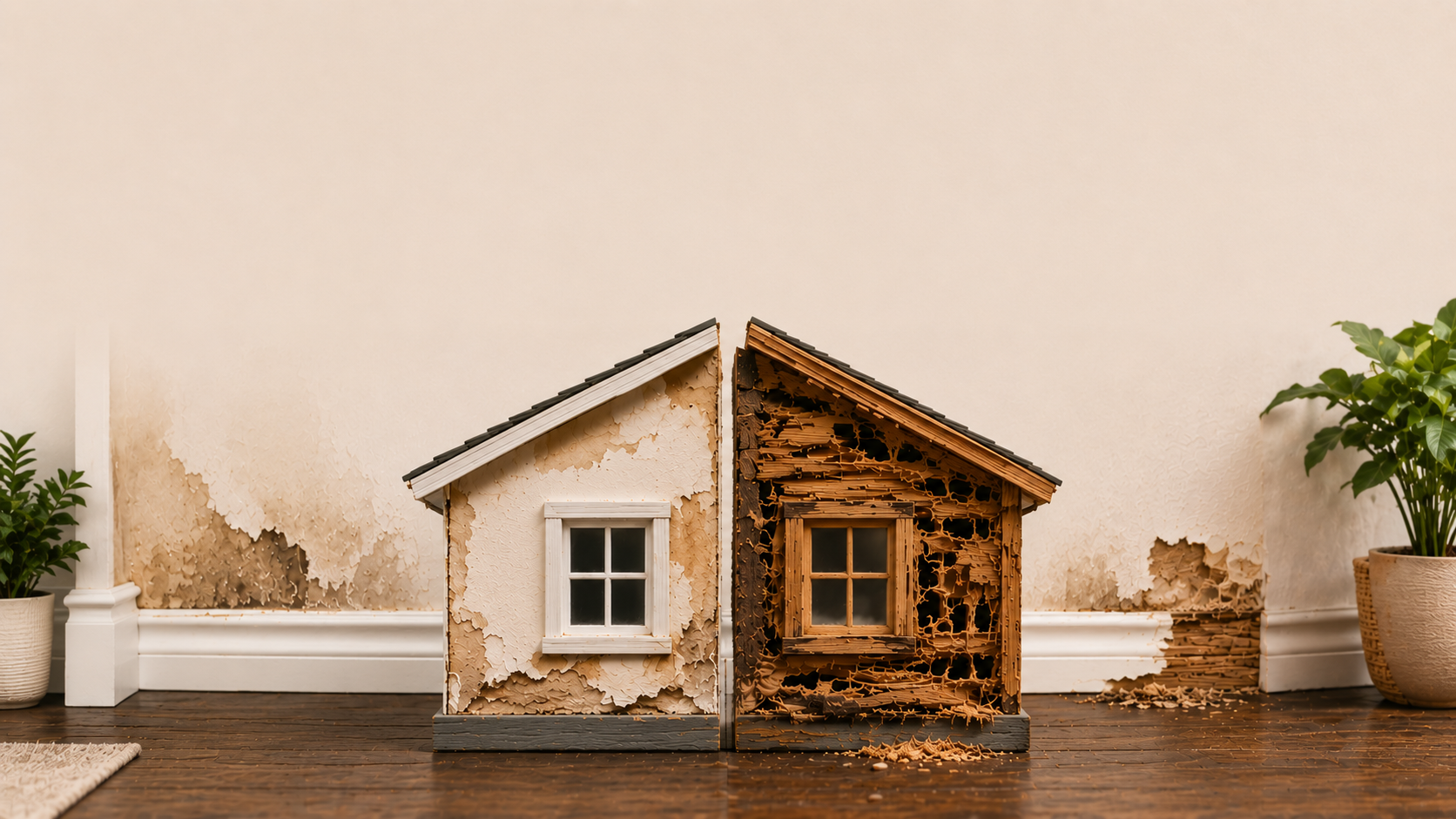
Visible changes in wood materials should not be ignored. Soft spots, hollow-sounding boards, sagging surfaces, or weakened structural components may indicate termite-related damage. While these symptoms can result from other factors, professional evaluation is important because similar signs frequently accompany hidden infestations.
Bubbling paint, unexplained wall discoloration, and unusual surface distortions can also warrant closer examination. These conditions sometimes resemble moisture damage, making accurate diagnosis difficult without expert assistance. Identifying the underlying cause is essential for determining the most appropriate corrective action.
Exterior warning signs deserve equal attention. Mud tubes along foundations, support piers, or exterior walls are among the most recognizable indicators of termite activity. These narrow tunnels help the destructive insects travel between soil and food sources while maintaining necessary moisture levels. Finding mud tubes should prompt timely professional assessment.
Wooden decks, porches, fencing, and structural elements located near soil can become vulnerable as well. Areas where wood directly contacts the ground create convenient access points. Routine inspections around the exterior can reveal conditions that might otherwise go unnoticed until more extensive deterioration develops.
Another event that often signals the need for an inspection is the appearance of winged insects indoors. Reproductive termites, commonly called swarmers, emerge during specific periods of the year as colonies expand. Homeowners sometimes mistake them for flying ants, which can lead to confusion about the seriousness of the situation. Proper identification is important because the presence of swarmers may indicate an established colony nearby.
Termite concerns in neighboring properties can also justify proactive action. While an infestation next door does not automatically mean another structure is affected, proximity can increase risk. Colonies may forage across substantial areas in search of food sources, making nearby buildings potential targets. Scheduling an inspection after learning of activity in surrounding properties can help identify issues before significant damage occurs.
The Importance Of Routine Monitoring And Professional Evaluations
Even properties with no obvious signs of activity benefit from periodic inspections. Structural conditions change as buildings age, landscaping evolves, moisture patterns shift, and environmental factors influence the surrounding area. A property that appeared free of concerns several years ago may present new vulnerabilities today.
A professional termite inspection typically involves a detailed examination of both interior and exterior areas. Inspectors look for evidence of current activity, past infestations, moisture issues, structural vulnerabilities, and conditions that could attract wood-destroying insects. Crawl spaces, foundations, attics, garages, utility penetrations, and accessible framing components often receive careful attention during the process. Routine monitoring supports early detection and helps property owners address emerging concerns before repairs become more extensive.
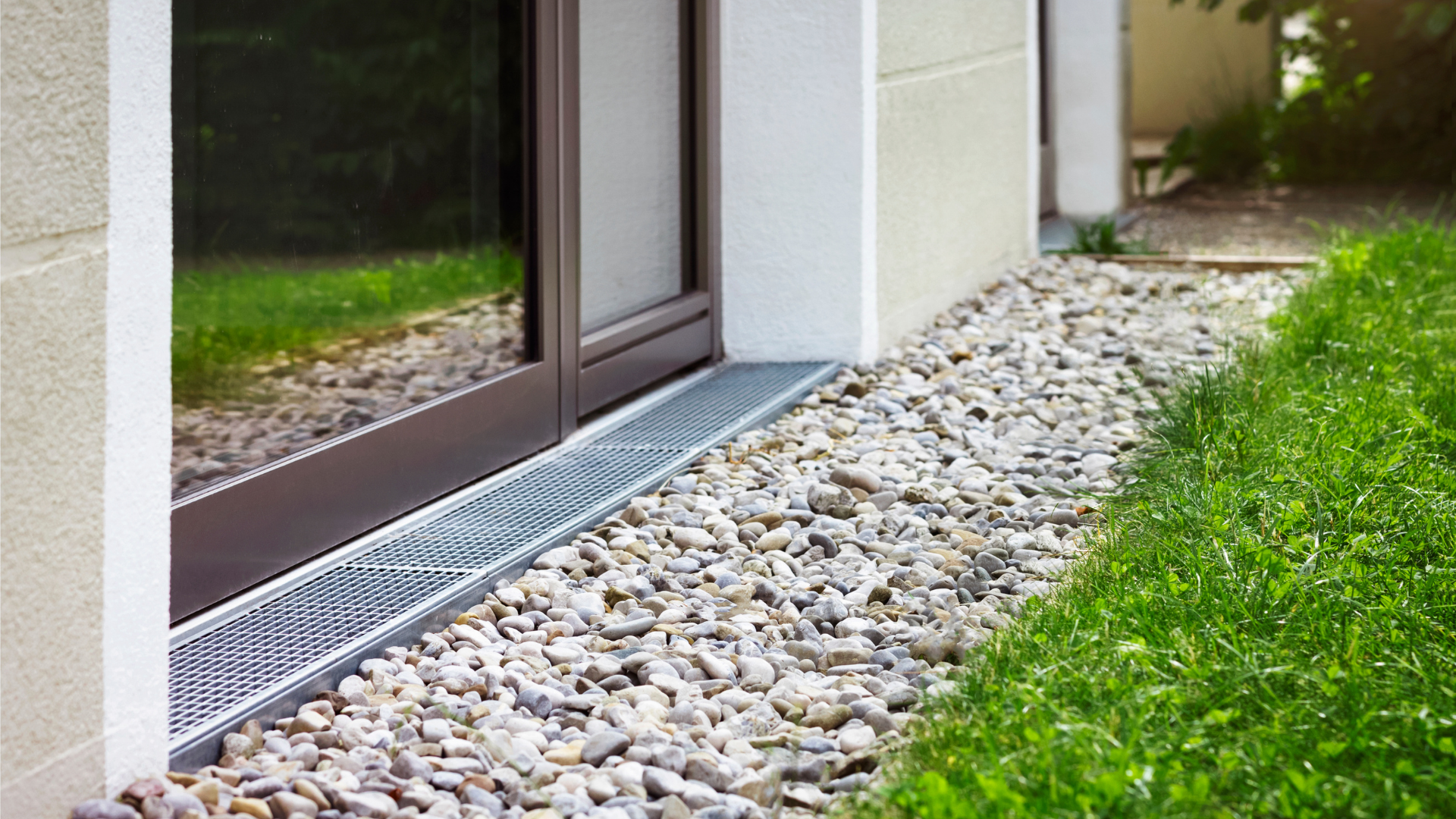
The exterior assessment focuses on foundations, landscaping features, wooden structures, drainage conditions, and areas where soil and wood meet. Inspectors evaluate factors that may contribute to increased risk while documenting any visible signs of damage or activity.
The best times to schedule a termite inspection often occur before major property decisions or after significant changes that may affect structural conditions. Real estate transactions, remodeling projects, moisture events, visible wood damage, and nearby infestations are all situations that justify closer evaluation. Early detection can help limit repair expenses and reduce the likelihood of extensive structural deterioration. If you are concerned about possible pest activity or want a professional assessment of your property, contact us today at Cascade Pest Systems to schedule a comprehensive inspection and discuss effective treatment options.