Why Newly Built Homes Still Face Termite Risks
Termite Activity In New Construction Homes And What Property Owners Should Know
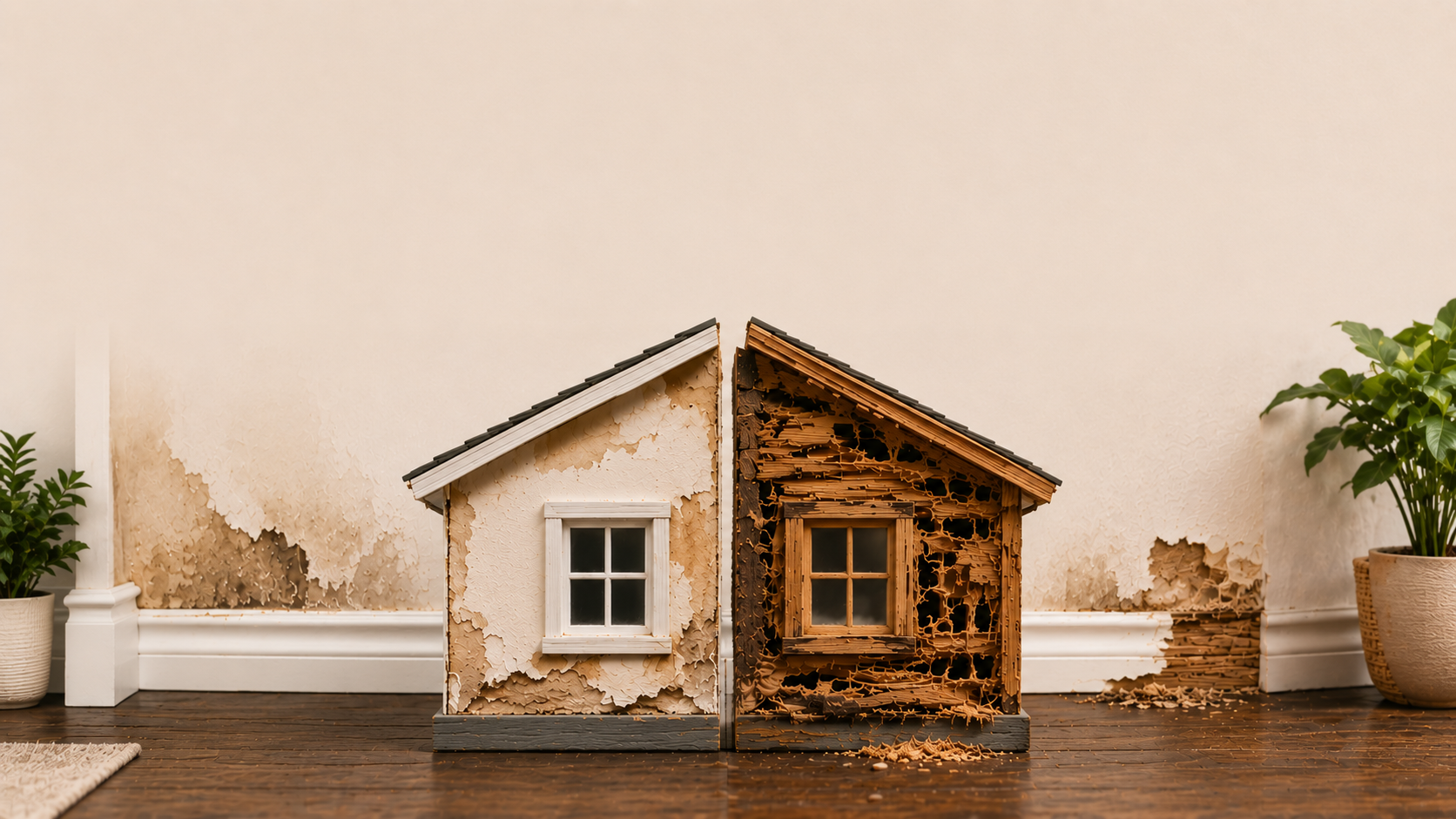
A newly built home often carries a sense of confidence. Everything looks untouched, the materials are fresh, and the structure feels solid from foundation to roof. Many homeowners assume that pests, especially termites, are concerns reserved for aging properties. That assumption can lead to costly surprises. Despite the clean appearance of new construction, certain conditions created during the building process can quietly invite this type of destructive activity before a homeowner even settles in.
Understanding why this happens requires a closer look at how construction practices interact with the natural environment. From soil disruption to overlooked scraps of wood, the process of building a home can unintentionally set the stage for these invasive pests.
Fresh Construction Materials Attract Early Attention
New wood plays a central role in modern construction, and termites are naturally drawn to it. Fresh lumber contains moisture and organic compounds that make it particularly appealing. Even treated wood, which offers some resistance, does not act as a permanent barrier. In certain conditions, these insects can still find ways to explore or bypass treated areas, especially if treatment methods were uneven or compromised during installation.
During construction, wood is often exposed to the elements before it is fully sealed within the structure. Rain, humidity, and ground contact can increase moisture levels in the materials. Termites thrive in environments where wood remains damp, as it becomes easier for them to consume and nest within. If framing materials absorb moisture and are then enclosed without adequate drying, they can create hidden pockets that support the unwanted intruders' survival.
Another factor lies in how materials are stored on-site. Lumber stacks placed directly on the ground or left uncovered can serve as an early food source. Insects already present in the soil may begin feeding on these materials before construction is even complete. Once activity begins, it does not take much for colonies to extend into the finished structure.
Disturbed Soil Creates New Opportunities
The process of building a home involves significant ground disruption. Excavation, grading, and trenching all alter the natural composition of the soil. While this is necessary for creating a stable foundation, it also affects the habitats of subterranean species.
When soil is disturbed, existing colonies may be displaced. Instead of eliminating them, this disturbance can encourage movement into new areas. The freshly exposed ground around a foundation becomes easier to navigate, particularly if it contains cracks, gaps, or loose fill. These conditions can make it easier for pathways to be established toward the structure.
In many cases, pre-construction soil treatments are applied to reduce termite risk. However, the effectiveness of these treatments depends on proper application and consistent coverage. If portions of the soil are missed or if the treatment barrier is disrupted during later stages of construction, termites may still find entry points. Even minor inconsistencies can create vulnerabilities that are difficult to detect without professional inspection.
The transition between soil and foundation is especially critical. Small openings around utility lines, expansion joints, or settling areas can provide hidden access routes. Termites are skilled at exploiting these subtle gaps, often remaining undetected as they move from the ground into the wooden components of the home.
Leftover Debris Becomes A Hidden Food Source
Construction sites rarely remain spotless throughout the building process. Scraps of wood, cardboard, and other organic materials can accumulate in and around the foundation area. While these remnants may seem insignificant, they can serve as an inviting food source for termites.
Buried debris is particularly concerning. During backfilling, leftover wood pieces or form boards may become trapped beneath the soil. Once covered, these materials retain moisture and create a protected environment where termites can thrive. Because they are hidden from view, these food sources can support termite activity close to the structure without raising immediate suspicion.
Even small fragments can make a difference. Termites do not require large quantities of wood to begin establishing a presence. A few overlooked scraps can sustain initial activity long enough for a colony to expand its reach. As the colony grows, it may begin targeting structural wood within the home itself.
Landscaping choices can also contribute to the problem. Mulch, wooden borders, and plant materials placed close to the foundation can extend the availability of food and moisture. When these elements are added shortly after construction, they can amplify conditions that were already favorable for unwanted pest activity.
Environmental Conditions Around New Homes
Beyond construction-related factors, the environment surrounding a new home plays a major role in termite risk. Many new developments are built on land that previously supported natural vegetation. Tree roots, buried stumps, and organic matter left in the soil can continue to attract the destructive pests even after the land has been cleared.
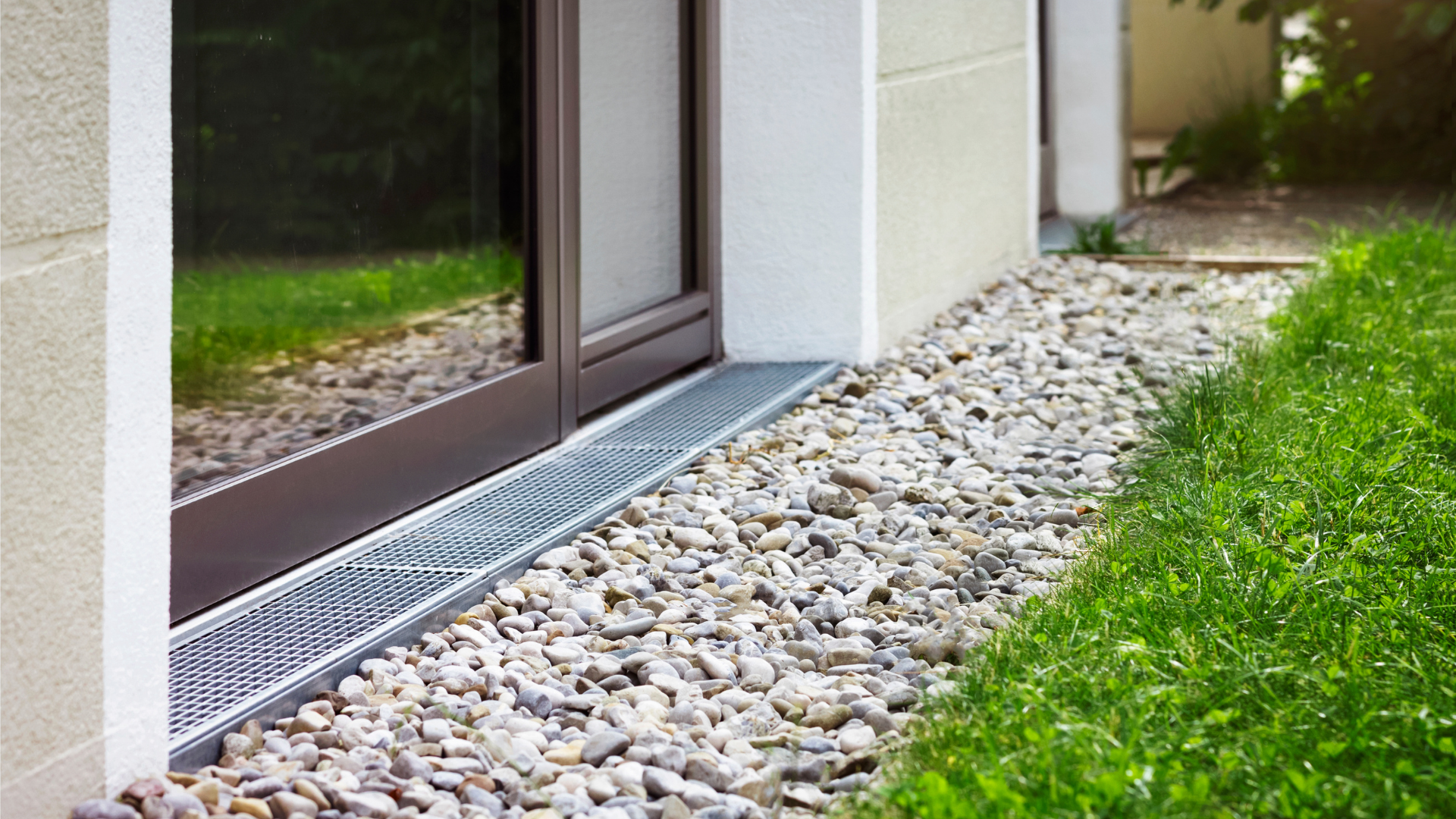
Moisture management is another important consideration. Newly constructed homes may experience drainage issues as the soil settles and landscaping becomes established. Poor grading or inadequate water flow can lead to damp conditions near the foundation. These insects are highly dependent on moisture, and areas with consistent dampness can become hotspots for activity.
Climate also influences pest behavior. In regions where temperatures remain moderate and humidity levels are higher, termites remain active for longer periods throughout the year. New homes in these areas may face heightened exposure, especially if construction practices do not fully account for environmental pressures.
Ventilation within crawl spaces and basements can further impact conditions. Limited airflow allows moisture to accumulate, creating an environment that supports termite survival. Even in homes built with modern standards, ventilation issues can arise if design or maintenance falls short of expectations.
New construction does not guarantee immunity from termite concerns. Fresh materials, altered soil conditions, and hidden debris can combine to create an environment that supports the activity from the very beginning. Recognizing these risks allows homeowners to take proactive steps rather than relying on assumptions about a home’s age or condition.
Ongoing monitoring and professional evaluation remain essential for maintaining the integrity of a property. Early detection can make a significant difference when it comes to limiting damage and addressing issues before they escalate. If you want to ensure your home receives the attention it deserves, don't hesitate to
contact us today at Cascade Pest Systems for a thorough assessment and expert guidance tailored to your property.