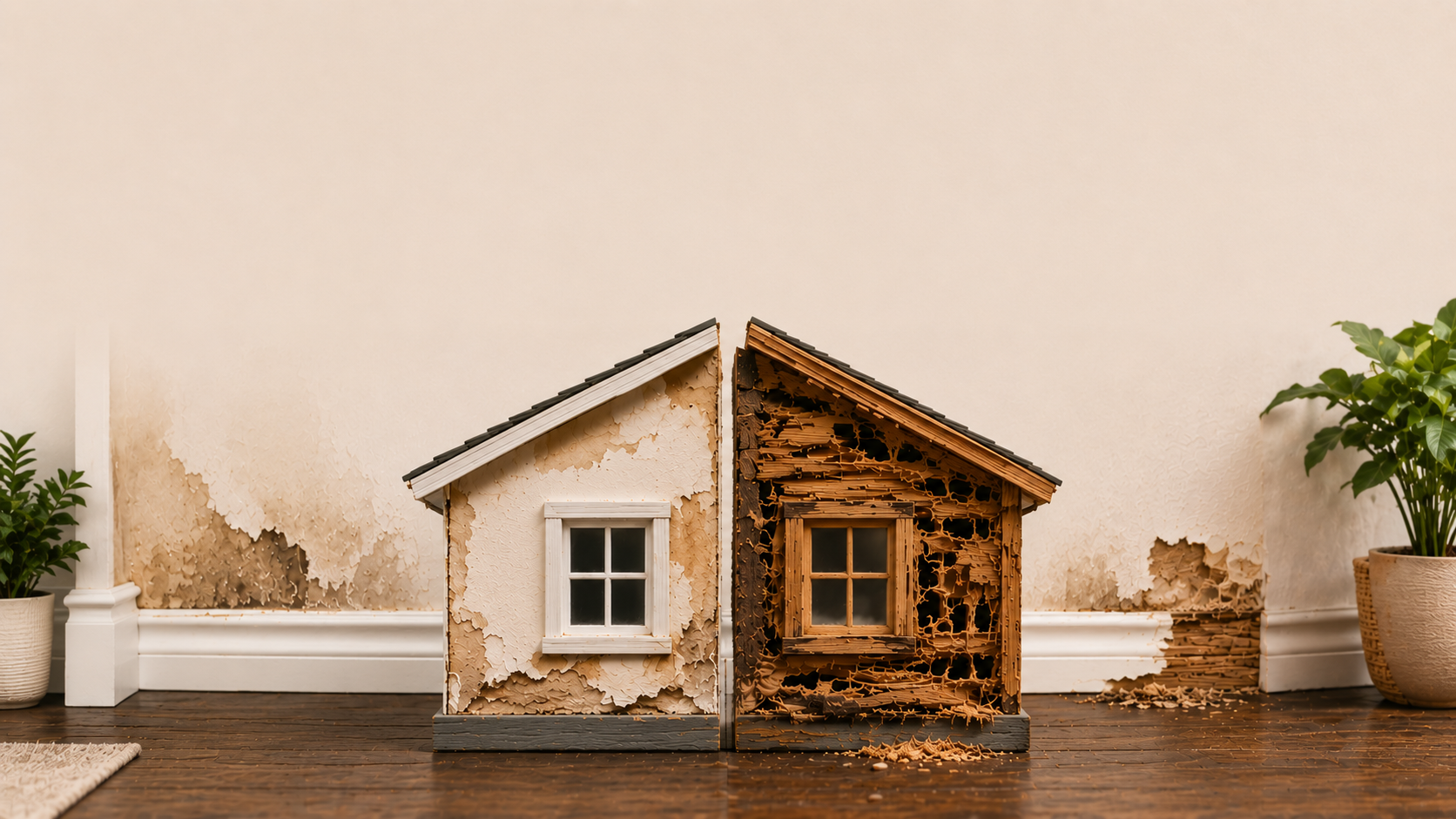
Landscaping Practices That Help Reduce Pest Activity
How Yard Design Can Influence Pest Problems Around Foundations
Thoughtful landscaping does more than shape how a property looks. The way soil holds moisture, where vegetation sits in relation to the structure, and what materials cover the ground can influence the kinds of insects and other pests that gather near a house. Many species search for water, shelter, and food in places that offer protection from the sun, wind, and disturbance. Yards that unintentionally provide these conditions can become attractive gathering points for ants, beetles, rodents, and other nuisance species.
Landscaping choices often determine how close those conditions exist to siding, crawl spaces, and foundations. Small design decisions, such as how mulch is placed or how shrubs are trimmed, can change the level of humidity and shade around exterior walls. When moisture lingers and dense plant growth presses against a structure, pests gain convenient access to quiet, protected areas. Understanding how landscaping affects these environmental factors can help homeowners limit conditions that invite unwanted activity.
Moisture Retention And Hidden Humidity
Soil moisture plays a major role in determining what kinds of insects gather around landscaping. Ground that remains damp for long stretches creates an environment where many small organisms thrive. Earwigs, centipedes, termites, and various beetle species favor humid soil because it protects their bodies from drying out. When irrigation runs frequently or drainage is poor, the ground near foundations can stay damp well beyond what plants actually need.
Persistent moisture also affects materials touching the exterior of a structure. Wood components, mulch layers, and dense soil can hold humidity against siding or support posts. That damp contact creates conditions where insects searching for water can settle and begin exploring nearby gaps. In shaded areas, evaporation slows significantly, which allows moisture to linger beneath decorative stones, landscape fabric, or thick mulch beds. The longer humidity remains trapped near a structure, the more attractive the space becomes for organisms that prefer sheltered, damp surroundings.
Improving drainage and moderating irrigation patterns can significantly change these conditions. Soil that dries between watering cycles becomes less attractive to insects that depend on steady humidity. Grading that directs water away from the foundation and avoiding excessive mulch thickness both help limit damp zones near structural edges. These adjustments do not remove moisture from the landscape entirely, yet they reduce the concentrated pockets that encourage pest activity.
Plant Placement And Structural Access
The location of shrubs, ornamental grasses, and climbing vegetation can influence how easily pests approach a house. Plants positioned directly against exterior walls create shaded pockets where airflow becomes limited. Reduced airflow keeps surfaces cooler and allows moisture to remain on soil and leaves longer after watering or rainfall. Those shaded pockets often become comfortable travel routes for insects moving between garden areas and structural gaps.
Dense vegetation can also act as physical cover. When branches press against siding or window frames, they form concealed pathways that smaller pests can follow without much exposure. Many of these unwanted intruders tend to move along edges where cover exists above them. Vegetation touching a structure effectively extends that protective cover directly to the building. When plants are spaced thoughtfully and trimmed back from walls, sunlight and airflow reach the ground more easily, which reduces the damp shelter many pests seek.
Careful plant placement also improves visibility around the exterior of a home. When landscaping is arranged with open spacing, homeowners and technicians can more easily notice early signs like insect trails and gnaw marks. Maintaining a modest gap between vegetation and siding limits concealed travel routes while still allowing plant beds to contribute color and texture to the property.
Ground Cover Materials And Shelter
Materials placed across garden beds influence temperature, moisture retention, and hiding spaces at ground level. Organic mulch, while useful for plant health, can hold significant humidity when applied in thick layers. Damp mulch creates a loose environment where insects such as ants, sow bugs, and beetles can burrow or hide during daylight hours. If mulch sits directly against siding or foundation edges, it may bridge the small gap that normally separates soil from structural materials.
Stone and decorative rock present different concerns. Spaces between rocks create cool pockets beneath the surface where moisture remains longer than the surrounding soil. Insects and small intruders often use those gaps for protection from heat and predators. Landscape fabric beneath rock can also trap moisture if drainage becomes restricted. Selecting appropriate ground cover depth and leaving clear space between those materials and the foundation helps reduce concealed harborage areas close to the structure.
Balancing plant health with pest awareness often means adjusting how these materials are installed. Mulch applied in thinner layers dries faster after rain and reduces the likelihood of hidden insect movement near the surface. Creating a narrow band of exposed soil or gravel beside the foundation also provides a visual buffer that discourages insects from settling directly against exterior walls.
Debris Near Foundations And Pest Harborage
Yard debris accumulating near exterior walls can quietly create shelter for many species. Piles of fallen leaves, stacked firewood, unused lumber, and neglected garden waste provide insulation from temperature swings. Within those piles, insects find protected chambers where humidity remains higher than the surrounding air.
Debris also conceals the soil surface and blocks sunlight from drying damp ground. When organic material rests against siding, the shaded soil beneath it stays cool and moist for extended periods. That environment attracts organisms that prefer dark, protected locations. Regular removal of leaf buildup, trimming of dead plant material, and proper storage of wood away from the structure are all measures that can be taken to reduce sheltered areas where pests might gather before attempting to enter a home.
Landscaping decisions shape the environment surrounding a home in ways many property owners do not immediately notice. Moist soil, dense vegetation, ground cover choices, and stored debris can gradually form inviting conditions for insects searching for water and shelter near a structure. Adjusting these features often reduces the environmental advantages pests rely on when gathering close to foundations, siding, and crawl spaces.
If pest activity has already begun or if conditions around the property raise concern, professional guidance can help identify problem areas and recommend practical corrections. Our experts can evaluate exterior conditions, explain how landscaping influences pest pressure, and provide effective control solutions designed for residential environments. Don’t hesitate to
contact us
today at Cascade Pest Systems to learn more about how our services can help you.