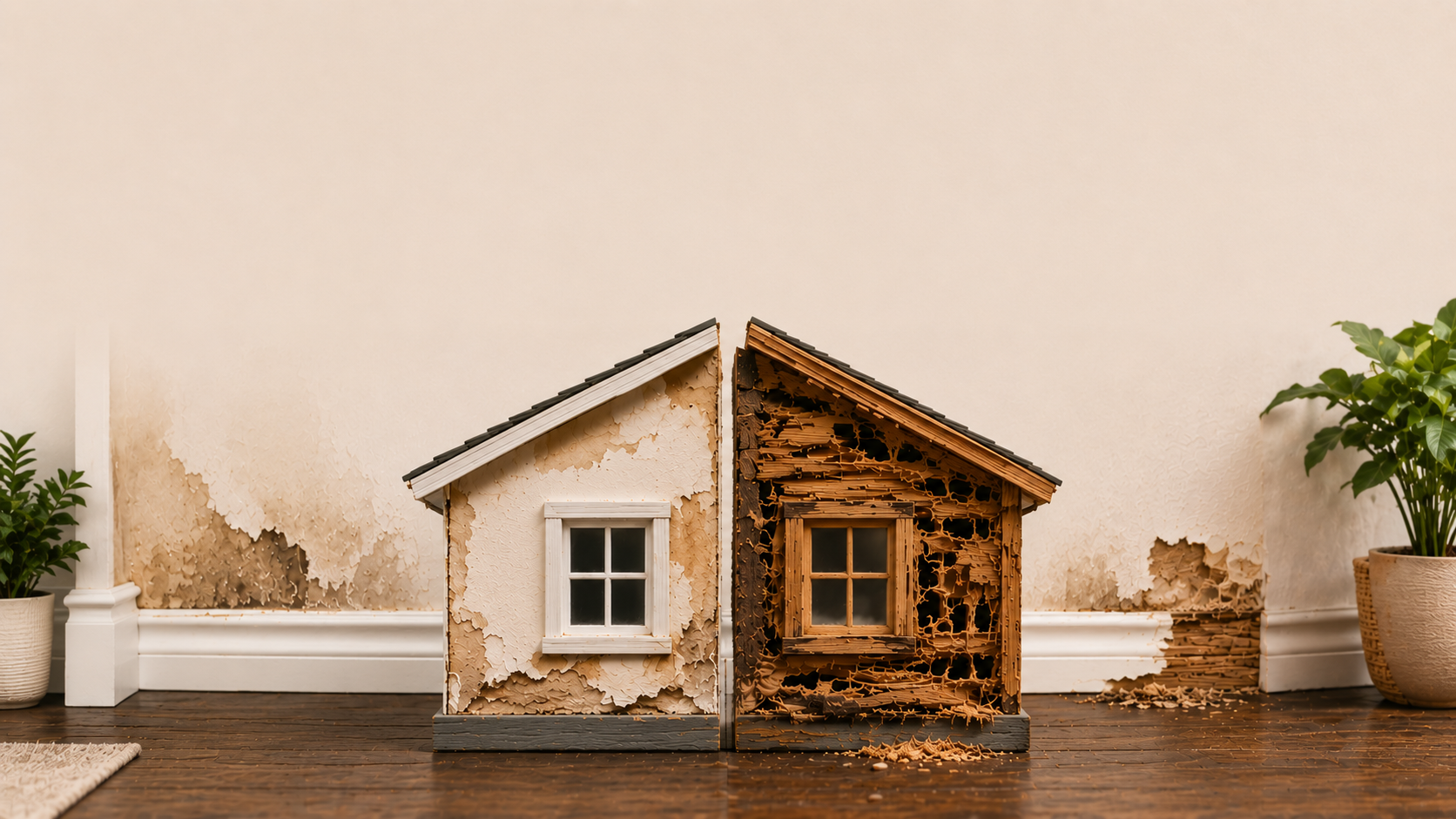
Moisture Conditions That Encourage Termite Activity
Why Damp Areas Attract Termite Colonies
Termites are drawn to places where moisture lingers, especially in soil that holds water longer than expected. When the ground surrounding a structure stays damp, it creates an environment that allows these insects to settle in and move quietly toward wooden components. Soil that retains liquid tends to stay cooler and protected from the sun beneath layers of mulch, landscaping fabric, or thick vegetation. Those conditions help termites travel through the ground without drying out. Their colonies depend on a steady supply of humidity, so they gravitate toward areas that give them what they need with little resistance.
Many properties develop patches of wet earth without anyone noticing. Poor grading, clogged downspouts, and irrigation systems that push water too close to a foundation often allow the liquid to accumulate. Even something as simple as a hose that leaks under a deck can feed the dampness that encourages insect activity. Once the soil takes on that consistent level of moisture, termites can build subterranean tunnels with greater success. These tunnels allow them to advance toward the structure and begin feeding on wood that might appear completely fine from the outside.
The challenge is that moist ground keeps those tunnels strong. Dry soil collapses more easily, while wetter sections remain more stable. This stability gives termites extra freedom to spread. They can create extensive networks beneath the surface that go completely unnoticed. Homeowners usually discover the problem only when visible damage becomes difficult to ignore. Moist soil may seem harmless on its own, but it creates a welcoming environment that supports the steady growth of an insect population.
The tricky part is how fast moisture builds. A heavy rainfall on compacted soil can cause water to be held for days. Once the ground becomes saturated, these bugs are drawn to it like a beacon. The more consistently wet the area is, the more appealing it becomes, especially when the moisture sits close to wooden beams, posts, or structural supports. Even landscaping choices can unintentionally help. Thick bark mulch, for instance, traps water and keeps soil conditions exactly the way termites prefer.
Addressing moisture issues in the soil around a property helps reduce this attraction. However, many people don’t realize how interconnected their landscaping, drainage, and building design truly are. When damp soil continues to surround a structure, termites find a perfect gateway to begin their destructive work. Without proper attention, that hidden gateway becomes a long-term problem that can lead to costly repairs.
Leaky Crawlspaces And The Problems They Create
Crawlspaces often rank among the most overlooked sections of a property. These areas sit out of view, and many people assume that as long as they remain closed off, they don’t require much attention. Yet crawlspaces can quietly hold moisture due to plumbing issues, ventilation problems, or water intrusion during seasonal weather shifts. Once water gathers inside, it spreads throughout the space, creating an environment that termites are quick to exploit.
A crawlspace that allows moisture to linger becomes an ideal spot for these pests to establish activity. Insects like these depend on humidity to survive. If the air inside a crawlspace stays too damp, the bugs can move freely under the structure without encountering resistance. Wooden supports inside the space begin absorbing moisture as well, giving the bugs an even bigger reason to stay. Damp beams, joists, or subflooring lose density and become easier for termites to consume.
Leaking pipes often contribute to these conditions. A slow drip might not seem like a serious threat, but that small amount of water steadily builds a humid pocket that spreads across the crawlspace. Condensation can create similar issues. If warm air enters a cooler crawlspace, moisture collects on surfaces and gradually soaks into surrounding materials. Once that happens, the environment becomes more hospitable to pests that normally struggle in dry locations.
Ventilation troubles make things more complicated. When airflow is limited, moisture has no way to escape. Air becomes stagnant, humidity rises, and the crawlspace remains in a state that termites find irresistible. The enclosed layout of a crawlspace means that these conditions don’t need to be extreme. Even moderate humidity can give them what they need to operate comfortably, as long as that environment persists.
Vulnerable Areas Throughout A Property
Beyond the soil and the crawlspace, other sections of a property can quietly develop moisture-related problems that appeal to termites. Basements, exterior utility closets, and enclosed storage nooks often sit in the shadows, accumulating humidity without drawing much attention. When these spaces become damp, they begin to offer the pests convenient access to both shelter and food sources.
Basements often experience moisture seepage through walls or floors, particularly in properties with older foundations. Once water enters through cracks or porous material, humidity begins to build. Wood components stored inside the basement absorb moisture and become more vulnerable to termite damage. The environment doesn’t need to feel wet to the touch. Even slightly humid conditions give the destructive insects an opening.
Exterior structures can develop similar issues. A storage shed with minor leaks, or a garage with a section that traps rainwater near the base, can produce the kind of dampness termites prefer. Because these areas are often used to store wooden items, cardboard, or other cellulose materials, termites quickly find several food sources in one place. The insects thrive when moisture and cellulose come packaged together.
Even the edges of a property where sprinkler systems operate can unknowingly influence insect behavior. Sprinklers that hydrate plants also dampen surrounding soil, sometimes directly against wooden fence posts or structural trim. This frequent exposure creates prime conditions for termites to explore and expand their reach. The more consistently wet these areas become, the more they support the insects’ natural tendencies.
Moisture-prone spots, no matter their size, share a common trait. They hold water long enough for termites to settle, feed, and grow. When those areas stay hidden or ignored, they become quiet engines driving the activity of the unwanted invaders forward. The best defense involves addressing moisture issues early, before the insects get a chance to form strong colonies.
Moisture plays a significant role in determining where termites gather, travel, and cause damage. Damp soil around a foundation offers these insects a clear path toward structural wood. Crawlspaces with leaks or poor ventilation give them an ideal environment to spread without interruption. Moisture-prone areas throughout a property, even those that seem minor, help sustain their presence and allow colonies to expand.
If you’ve noticed moisture issues around your property or want an expert evaluation, our team at Cascade Pest Systems is ready to help. We can inspect the conditions that attract termites and recommend solutions that protect your structure.
Contact Cascade Pest Systems today to schedule an appointment and learn how to safeguard your property from unwanted pest activity.