Pest-Proofing Tips Before Your Home Renovation
How To Keep Pests Out During Your Home Renovation
Home renovations are an exciting opportunity to transform your living space and increase the comfort and value of your home. But along with the promise of a refreshed environment comes an unexpected risk: pests. The construction process can inadvertently open up your home to critters eager to find new shelter, food, and nesting spots. Preventing pests from sneaking in during remodeling takes careful planning and proactive measures. By pest-proofing before and during your renovation, you can keep your new space free from uninvited guests and ensure your investment is secure.
Understand The Risks Before Renovation Begins
During construction, walls are opened, windows are removed, and roofs are replaced. These structural changes create multiple entry points for pests like rodents, insects, and even birds to invade. And because renovation activities often disrupt established pest nests within wall voids, attics, or basements, the creatures living there might move into new, undisturbed parts of your home. In some cases, even a single crack or hole left unsealed can serve as a gateway for pests that are normally deterred by your home’s exterior barriers. A bit of preventive pest-proofing before construction begins can minimize these risks, making the renovation process smoother.
One of the most valuable steps you can take to prevent pests is to start with a detailed inspection of your home. Consider enlisting a pest control professional to identify potential problem areas where pests may be hiding or areas that could become entry points during construction. This inspection will reveal any current infestations, which can then be handled before construction begins. Sealing pests in during construction is a recipe for disaster, as pests will likely escape or chew their way into newly renovated spaces.
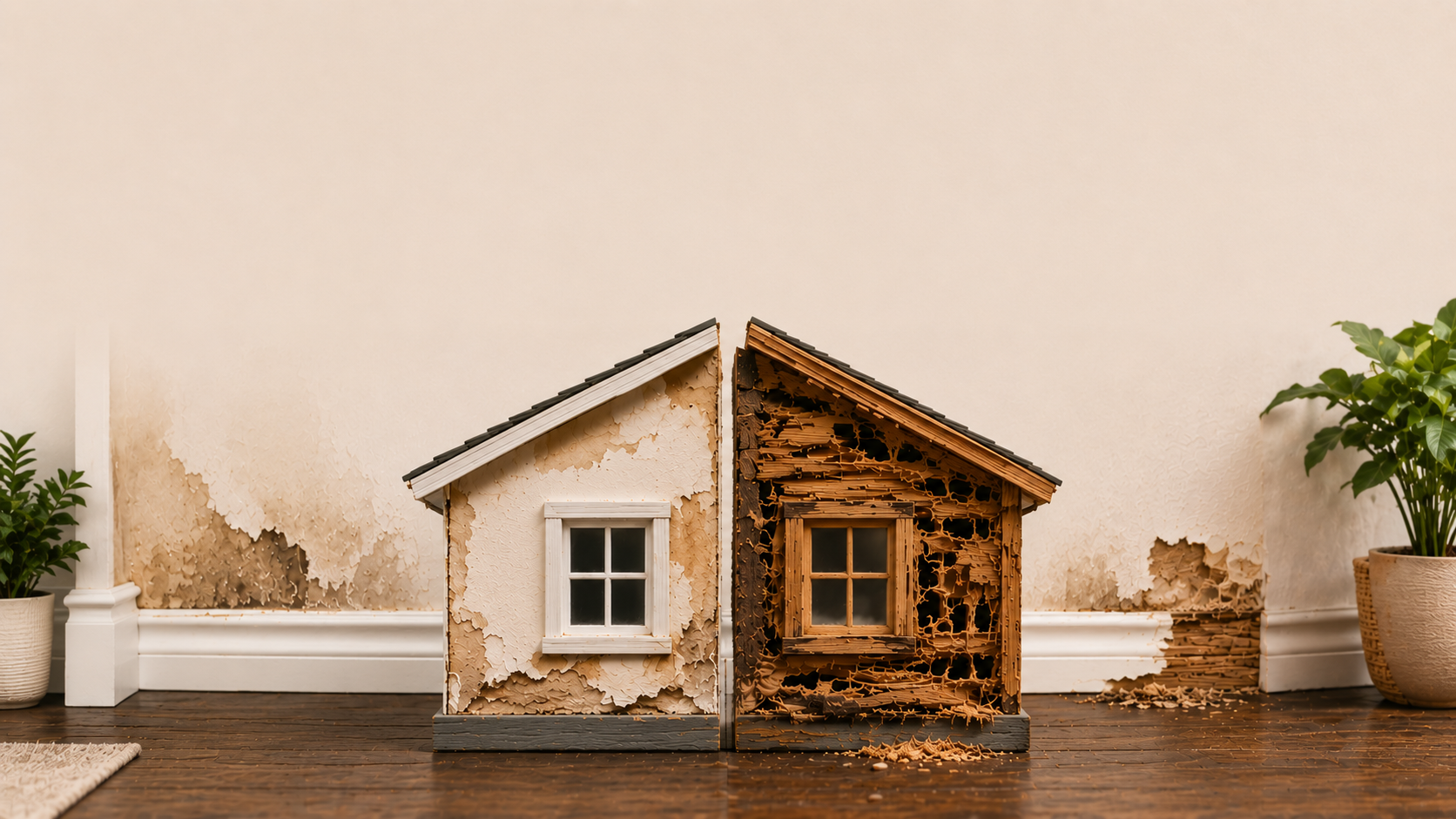
This inspection can also highlight areas where previous pest damage may have compromised the structure, which is essential knowledge when planning renovations. For example, termite-damaged wood should be replaced during remodeling, not simply covered, as this can lead to structural problems down the line. Addressing these issues upfront not only protects your renovation investment but also ensures a healthier, pest-free space.
The renovation process inevitably leaves parts of your home exposed, such as walls, ceilings, windows, and doors. It’s important to seal these openings each day as much as possible to prevent pests from sneaking in. Talk with your contractors about installing temporary barriers on open areas during breaks in construction. Heavy-duty plastic sheeting, wood panels, or wire mesh can serve as effective barriers to prevent pests from crawling or flying into exposed spaces.
Keep a close eye on areas like crawl spaces, attics, and basements, which are prime real estate for pests seeking shelter. For openings that are difficult to fully secure, consider pest repellents or ultrasonic devices that discourage pests from approaching. But remember, these are supplementary measures and shouldn’t replace physical barriers.
Safeguarding Against Pests
During renovations, windows and doors are frequently removed or replaced. This process can inadvertently create gaps that pests can exploit, especially if they’re not sealed correctly. When windows or doors are reinstalled, make sure contractors use proper caulking and weatherstripping to close any gaps. A small space might seem insignificant, but mice, for example, can squeeze through a hole as small as a dime.
Vents, especially those in attics and basements, are another area where pests often gain access. While renovations are underway, install screens over vents to keep rodents and insects out without impeding airflow. Be mindful of vents in the kitchen, bathroom, and laundry room, as they tend to attract pests due to warm air and food odors. Adding mesh coverings over vents is a simple and effective way to safeguard these spaces from pest invasions.
The activity and noise of construction can draw rodents like mice and rats from outside or from surrounding areas into your home, seeking shelter. To make your home less attractive to them, store all food items securely in airtight containers. If you’re remodeling the kitchen, consider relocating food to a part of the house that isn’t under construction. Avoid leaving pet food, birdseed, or trash exposed, as these can all act as strong attractants for rodents.
During construction, workers’ food and trash may unintentionally become sources of attraction as well. Make sure that any waste, especially food wrappers or scraps, is disposed of at the end of each day. Consider providing a covered trash bin on the construction site to ensure that no food or garbage is left accessible overnight.
Pests are experts at hiding in cluttered, dark areas, and renovations tend to generate debris that can serve as hiding spots. Ensure that construction materials and tools are stored properly at the end of each workday. Avoid leaving piles of wood, insulation, or other materials lying around, as these can provide convenient nesting areas for rodents and insects. Encourage your contractor to keep the construction site organized and free of debris, which will reduce potential hiding spots and minimize pest attraction.
Outside the home, landscaping can also provide hiding spots. Trim back any trees or bushes that are close to the construction area, as these can act as bridges for pests to access your home. A clean, organized renovation site is one of the most effective ways to deter pests from settling in.
Preventative Pest Treatments
In some cases, especially in areas prone to specific pests, a preventative pest treatment can be an invaluable step before renovation work begins. For instance, if your area has a high rate of termites, treating the foundation and other wooden elements for termites before construction begins can prevent future damage. Similarly, preventative treatments for ants, roaches, and spiders can help keep them from nesting in your home as the walls and floors are opened up during remodeling.
Working with a pest control professional to apply these treatments before and after renovations can create a protective barrier, keeping pests from infiltrating and settling into the newly remodeled spaces. However, these treatments should always be done in coordination with your contractor’s schedule to ensure safety and effectiveness.
Basements and attics are often the most vulnerable spaces in a home, especially during renovations. Rodents, insects, and even birds see these areas as ideal nesting grounds due to their isolation and darkness. During renovations, open access to basements and attics can lead pests to migrate into other parts of your home if not properly managed. Use screens, caulk, and proper insulation in these areas to reduce potential entry points.
If you are renovating the basement or attic, consider using pest-resistant materials. Steel wool and copper mesh, for example, can be used to block holes in areas like pipes or ducts where rodents might otherwise enter. Additionally, waterproofing your basement can discourage moisture-loving pests like cockroaches and silverfish from settling in.
Conduct A Final Pest Inspection After Renovation
Once the dust has settled and the renovations are complete, a thorough inspection of your home’s interior and exterior is essential. Ensure that all gaps around windows, doors, and vents have been properly sealed and that any pest-control measures implemented before and during construction are still in place. This final inspection can help identify any remaining vulnerabilities, whether from small cracks or gaps overlooked during construction, as well as ensuring that pests did not make their way in during the renovation process.
Walk through your home and look for any signs of pest activity, such as droppings, small holes, or greasy marks along walls and baseboards. Pay particular attention to basements, attics, and other storage areas, as pests often retreat to these spaces when renovations disrupt their preferred hiding spots. Identifying and addressing any signs early will help keep your newly renovated home pest-free.
Renovations are an investment of time, money, and vision, creating spaces you can enjoy and take pride in. By incorporating pest-proofing measures before and during your renovation project, you can ensure your home stays protected from the threats pests pose. Taking preventive steps, from sealing entry points to maintaining a clean site, can save you from dealing with infestations down the road.
Cascade Pest Systems offers expert advice and pest management services to keep your newly renovated home safe and pest-free. With years of experience in pest prevention, we’re here to help you protect your investment and enjoy your improved home without the worry of uninvited guests. Contact Cascade Pest Systems to learn how we can support you in keeping pests out and safeguarding your home for years to come.